











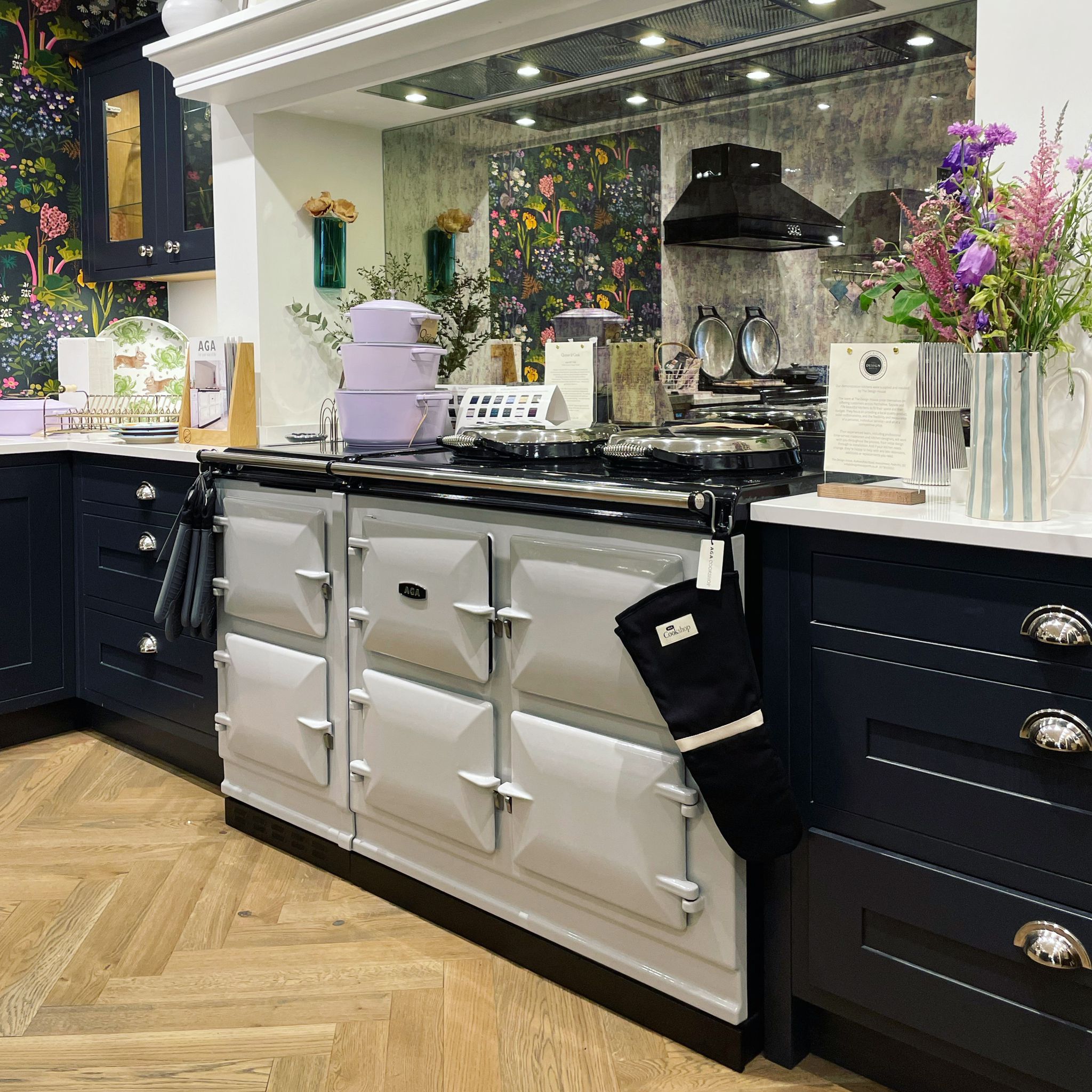





Bringing an AGA into your kitchen is exciting, but the best results come from what you do next. The first few weeks are about learning your heat zones, keeping the enamel looking fresh, and building simple habits that make cooking feel effortless.

If you are still choosing a model or comparing options, start here: AGA range cookers.
The first 48 hours
Your installer should talk you through basic operation, but it helps to do a quick reset in your own mind once the kitchen is quiet again. An AGA rewards calm, steady cooking. Heat is stored and held, so you will spend less time chasing temperatures and more time placing food in the right spot.
If you want a clearer picture of what is happening inside the cooker, these two guides are ideal for your first read: How an AGA cooker works and Inside the modern AGA: components and features. They make the day to day decisions feel more obvious.
Everyday habits that protect heat and enamel
AGA aftercare is mostly small, repeatable habits. You do not need a complicated cleaning schedule, but you do need consistency. These are the routines that matter most.
Keep lids and doors closed as your default
Lids down and doors closed helps the cooker stay stable. It also reduces heat loss while you are moving between tasks. If you are learning timing, this one habit will make your results more predictable. The Unofficial rules of AGA range cookers is worth bookmarking, especially for the lid and door rules.
Lift cookware instead of sliding
Enamel and chrome can mark if heavy pans are dragged. Get into the habit of lifting pans on and off the hotplates. A quick wipe after cooking, once the surface is safe to touch, stops baked on splashes building up.
Use cookware that suits AGA cooking
Choosing the right tin or casserole makes cooking easier and can help keep the oven cleaner. For a practical overview, read Guide to buying AGA cookware. If you want a simple starter approach that covers trays, tins and timing, this is the best next step: Beginner AGA cooking basics for modern AGAs.
A useful example of a day to day staple is a roasting tin sized to fit the ovens properly, like the AGA cookware half size anodised roasting tin. Getting the fit right reduces knocks and makes moving food between zones much smoother.
Cleaning after installation: what to do and what to avoid
Your AGA does not need aggressive products. In most kitchens, warm water and a soft cloth will handle the day to day. The aim is to prevent buildup, not to scrub it off later.
Avoid harsh abrasives and metal scouring pads on enamel. If you need a purpose made cleaner, use products intended for range cookers. Quince & Cook has a focused selection here: Cooker maintenance.
A simple weekly rhythm works well:
- Wipe enamel and lids once surfaces are cool enough to clean safely.
- Check around hotplates and door edges for crumbs and splashes.
- Clean spills sooner rather than later to prevent staining.
Getting your cooking rhythm right
Many new owners get better results when they stop trying to cook on the hotplate for too long. AGA ovens do a lot of the work once you hand over the job. A useful rule of thumb is covered in the 7 minute rule section of the Unofficial Rules guide. It encourages you to move longer tasks into the ovens where heat is more even and less fussy.
If you are translating your usual recipes, start with familiar dishes and make one change at a time. The guide Beginner AGA cooking basics for modern AGAs has a straightforward approach for choosing the right oven, then adjusting shelf height to fine tune browning.
Seasonal adjustments
Kitchens change through the year. In colder months, the gentle background warmth can feel like a bonus. In summer, you might change how you cook so you are not standing over the hotplates for long stretches. Roasting trays in the oven, batch cooking early in the day, and using the warming oven for holding food can all make the kitchen feel calmer.
If your model includes programmable features or zoned control, revisit your settings when the seasons shift. A quick read of components and features can help you remember what each zone is designed to do.
Quick checks to do monthly
You do not need to overthink this. A once a month glance is enough to catch small issues early.
- Check doors close neatly and feel consistent.
- Look for crumbs or residue around seals and hinges, then wipe gently.
- Confirm lids sit flat so heat stays where it should.
When to book a service
If you notice a sudden change in cooking times, unusual smells, or anything that feels off, speak to your installer or a qualified engineer. Regular servicing keeps things safe and helps your cooker perform as expected.
Simple upgrades that make aftercare easier
A few well chosen items can reduce mess and protect surfaces. Browse cookbook maintenance essentials for enamel and chrome cleaners, plus liners that can help keep ovens tidier during heavy use.
A final note
The best AGA aftercare routine is the one you will actually keep doing. Close lids and doors, wipe little and often, and use cookware that fits your ovens well. Add a small monthly check and your cooker will stay clean, steady, and satisfying to cook on.
Related reading: How an AGA cooker works, Guide to buying AGA cookware, Unofficial rules of AGA range cookers.