












AGA Running Costs: The Complete 2026 UK Guide

One question comes up in almost every AGA conversation we have at Quince & Cook: how much will it actually cost to run? It is a fair question and an important one. An AGA is a serious investment, and running costs are a real part of that calculation. The answer you find online is often out of date, oversimplified, or based on older models that bear little resemblance to what is available today.
This guide gives you the full picture, updated for 2026: what the different models cost to run, how fuel type affects your bills, what has changed with modern controllable AGAs, and a calculator so you can work out your own estimate. We stock the full AGA range at Quince & Cook, so if any of this prompts a question about AGA's or range cookers, we are always happy to talk it through.

Why AGA Running Costs Are Misunderstood
The biggest misconception we encounter is that AGAs are always expensive to run. This reputation comes largely from traditional always-on gas and oil models, and from early 13-amp electric conversions that could cost £70–100 a week. Those figures are real, but they do not reflect what a modern AGA costs to run.
The picture changed significantly with the introduction of the eR3 and eR7 Series, part of what AGA calls the Everyday Radiant Heat collection. These are fully controllable electric AGAs where every oven and hotplate can be turned on and off independently. The hotplates reach full temperature in 10–12 minutes, the ovens run on programmable timers, and slumber modes let you keep costs low between uses. Running costs become genuinely comparable to a high-end conventional range cooker, with the added benefit of that warm, always-ready AGA feeling. Read more in our guide to how modern AGAs compare to older ones.
The Two Categories: 24/7 Radiant Heat and Everyday Radiant Heat
AGA divides its current electric range into two distinct operating philosophies, and running costs follow accordingly.
24/7 Radiant Heat (R3 and R7 Series): these stay on continuously. The cast iron ovens maintain cooking temperature around the clock. On the R7, hotplates are independently switchable and reach temperature in 10–12 minutes. On the R3, the hotplates are also switchable but take longer: approximately 40 minutes to reach full boiling temperature and 20 minutes to simmer. These models most closely resemble the classic AGA experience: the kitchen is always warm, the ovens are always ready. Running costs are higher as a result, but they effectively replace a kitchen radiator, tumble dryer, toaster and kettle, all of which carry their own running costs.
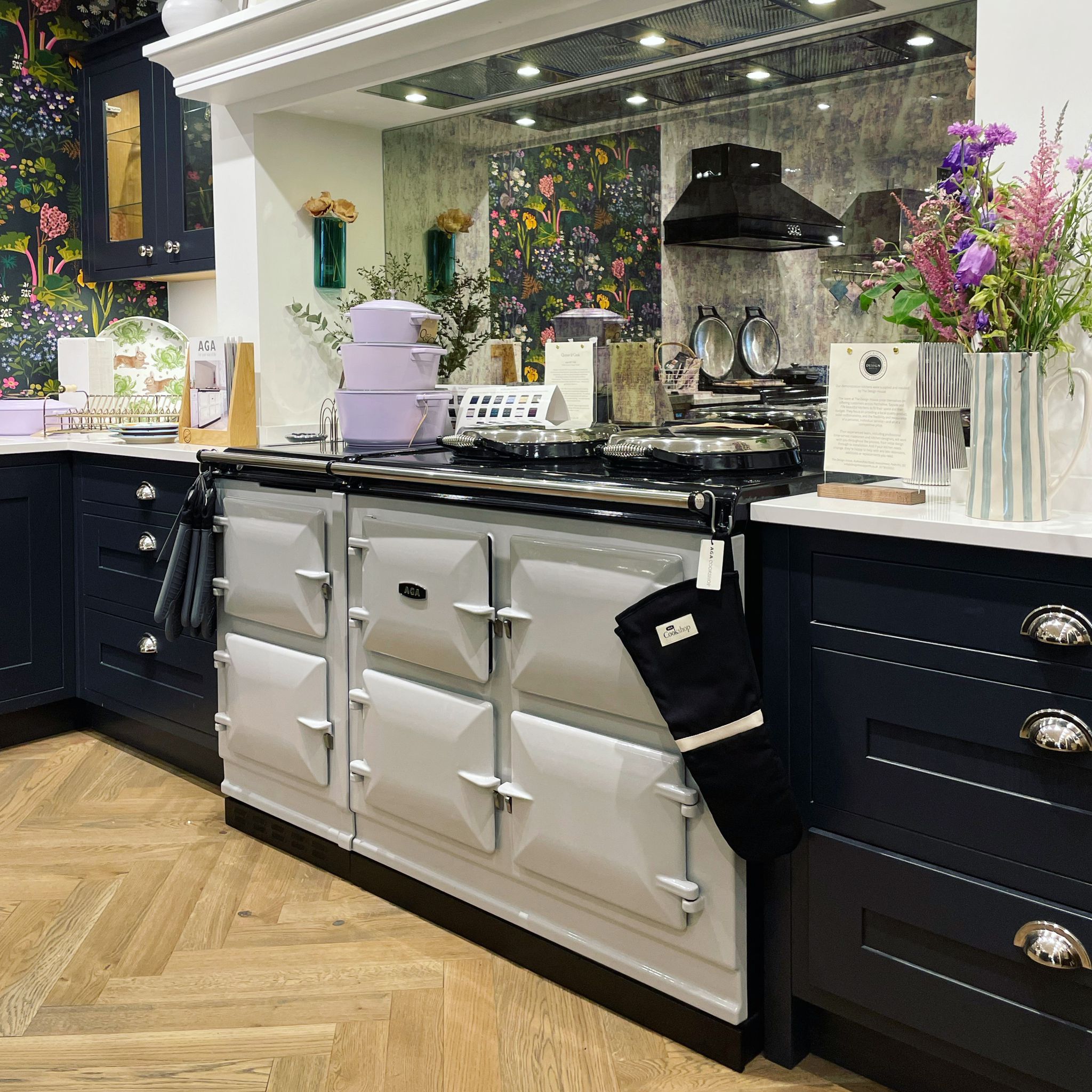
Everyday Radiant Heat (eR3 and eR7 Series): each oven and hotplate can be switched on and off independently as your schedule requires. Timers and slumber modes let you keep the AGA ticking over at low cost, then bring it to full temperature when you are about to cook. Running the simmering oven only on an eR3 costs £5.68 per week. Running both cast-iron ovens continuously costs £22.70 per week. Most households land somewhere between those two figures. For a full breakdown of these models, see our guide to the different AGA series. For a practical guide to cooking on one, see our beginner AGA cooking basics.
AGA Running Costs by Fuel Type
Electric, gas and oil AGAs have very different cost profiles, and the comparison between them is not as straightforward as looking at price per unit, because efficiency matters enormously.
Electric AGAs
Electricity costs more per unit than gas or oil, but electric AGAs convert all consumed electricity directly into heat. Gas and oil AGAs lose a significant proportion of their energy up the flue. This is why a well-managed electric AGA can cost less annually than an always-on gas model, despite the higher electricity unit rate.
All figures below are from AGA's own test data at the OFGEM Q1 2026 rate of 27.69p/kWh. OFGEM reduced the price cap to 24.67p/kWh from 1 April 2026, which reduces these figures by approximately 11%.
- AGA 60: both ovens on full continuously: £20.77/week. Roasting oven only: £17.44/week. Simmering oven only: £5.68/week.
- eR3 Series: both cast-iron ovens on full continuously: £22.70/week. Roasting oven only: £17.44/week. Baking oven only: £13.85/week. Simmering oven only: £5.68/week. Warming oven only: £4.70/week. Real-world use with one or two ovens running part-time typically falls between £8–18/week.
- eR7 Series: three ovens at full temperature: approximately £30.63/week. Three ovens in economy mode: approximately £14.92/week. Warming oven only: £4.70/week.
- R3 Series (always on): baking and simmering ovens on economy setting: £20.46/week. Roasting oven on continuously: £20.35/week.
- R7 Series (always on): three ovens in economy mode: £29.07/week. Three ovens at full temperature: £39.54/week.
These figures cover oven running only, with doors and lids closed, excluding active cooking. Real-world costs will be higher during heavy cooking periods and in cold weather when you are relying on kitchen warmth.

Gas AGAs
Natural gas is cheaper per kWh than electricity, at 5.93p/kWh at the January–March 2026 OFGEM rate, which makes gas AGAs appear economical on paper. The catch is that traditional gas models are always on, and a significant proportion of their heat escapes through the flue. AGA's own data shows a 2-oven gas model uses approximately 425 kWh per week, or around 22,100 kWh per year, costing approximately £1,310 annually at current rates. A 4-oven gas model uses more, pushing annual fuel costs toward £1,900 or beyond. Add annual servicing of typically £150–200 per visit and the gap with electric narrows considerably.
On LPG rather than mains gas, which is common in rural Scotland, expect to pay approximately double the mains gas unit rate, pushing annual running costs to approximately £2,500–3,200 for a traditional always-on model.
Oil AGAs
Oil prices are volatile. AGA's published data shows a 2-oven oil model uses approximately 40 litres per week, or around 2,080 litres per year. At the Boilerjuice national average of 55.84p/litre on 2 January 2026, that put annual fuel cost at approximately £1,160. Oil prices have risen considerably since then, so check Boilerjuice.com for current prices before calculating your own figures. Oil AGAs also require servicing every six months at approximately £150–200 per visit, adding £300–400 annually. There is also an environmental consideration: a 4-oven oil AGA burning approximately 2,650 litres per year produces roughly 6,700kg of CO2 on direct combustion, compared to under 700kg for a modern electric model running on the current UK grid.
What Actually Drives Your Running Costs
The model you choose sets the ceiling, but your daily habits have an enormous influence on where in the range your bills land. The biggest factors are:
How many ovens you run, and at what temperature. On the eR3, the difference between running a warming oven only (£4.70/week) and both cast-iron ovens at full continuously (£22.70/week) is almost £18 per week. Matching oven zones to actual cooking needs is the single most effective way to reduce costs. Our guide to AGA oven temperatures explains exactly what each zone delivers.
Hotplate use. On the eR3 and eR7, the boiling plate draws 0.54 kWh per hour and the simmering plate draws 0.24 kWh per hour. At 27.69p/kWh, that is approximately 15p and 7p per hour respectively. Running the boiling plate for 2 hours a day adds around £5.83 per week. There is no need to leave hotplates on between cooking sessions as they reach full temperature in 10–12 minutes.
Seasonal variation. In winter, you may run your AGA more intensively, leaning on the kitchen warmth and cooking more frequently. In summer, a controllable AGA can run on minimal settings or be turned off entirely between meals. Running a single warming oven at £4.70/week gives a realistic floor for low-season use.
The size of your cooker. A 90cm model uses meaningfully less energy than a 160cm or 170cm model. The eR3 is available in six sizes from 90cm to 170cm, and the eR7 in four sizes: 100cm, 150cm, 160cm and 210cm. Choosing the right size for your household is worth careful consideration. Our guide to AGA dimensions covers all current sizes.
Your energy tariff. The OFGEM price cap electricity rate was 27.69p/kWh for January–March 2026, falling to 24.67p/kWh from 1 April 2026. Economy 7, smart tariffs and off-peak rates can reduce costs further for owners who shift their AGA's heaviest running to cheaper hours. Solar panels make an even bigger difference. Some owners report near-zero monthly AGA running costs when combined with battery storage and smart export tariffs.

Servicing and Maintenance Costs
Running costs do not end with fuel. Servicing requirements vary by model and are worth factoring into your total cost of ownership.
Electric eR3, eR7, R3 and R7 Series: no scheduled servicing required. AGA states these models do not require regular servicing. The standard warranty is one year labour and five years parts, and requires registration within 30 days of delivery. No flue, no burner, no oil filter.
Gas AGAs (Dual Control and AGA 60 gas variants): annual servicing required by a qualified gas engineer. Budget £150–200 per year.
Oil AGAs: service every 6 months. Budget £300–400 per year in servicing alone, plus filter replacements and potential tank maintenance.
Over a 10-year period, a gas AGA will typically incur £1,500–2,000 in servicing costs. An oil AGA can reach £3,000–4,000 or more. Electric eR3, eR7, R3 and R7 models incur effectively zero.
The Hidden Cost Offsets: What the AGA Replaces
A fair running cost comparison needs to account for what an AGA replaces in your home. For always-on models in particular, the AGA effectively serves as a kitchen radiator, a tumble dryer (clothes dry on the rail above), a kettle (water stays warm on the simmering plate), and a toaster, none of which you will be running separately. For households in colder parts of the UK, including Scotland where Quince & Cook is based, this can represent a meaningful offset against the headline running cost figure.
Beyond appliances, there is the harder-to-quantify value of a kitchen that is always warm, always welcoming, and always ready to cook. For the right household, that is worth something real. You can read more about the culture and history behind this in our history of AGA cookers.
Tips for Reducing Your AGA Running Costs
These habits make a consistent difference across all models.
Keep lids down between uses. An open hotplate lid loses heat to the room continuously. Closing it when the hotplate is not in use is one of the simplest and most effective energy-saving habits. We cover this and other habits in our guides to the unofficial rules of AGA range cookers and AGA aftercare.
Use slumber or economy modes overnight. On eR3 and eR7 models, setting ovens to slumber mode overnight, or turning them off entirely if you do not use the AGA before 9am, can reduce weekly costs by £3–8 on a larger model.
Match your oven selection to the task. A 5-oven AGA running four zones for a midweek pasta dinner is wasteful. Run the zones you need and bring up additional ones when you are cooking at scale.
Consider a smart tariff. Economy 7, Agile Octopus and similar smart tariffs let you shift your AGA's heaviest running to cheap overnight hours. Modern controllable AGAs work well with this approach.
Think about solar. An eR3 or eR7 paired with solar panels and battery storage is one of the most compelling combinations for rural homeowners. With 6–8kW of solar generation, running costs can approach zero for much of the year.
AGA Running Costs vs a Conventional Range Cooker
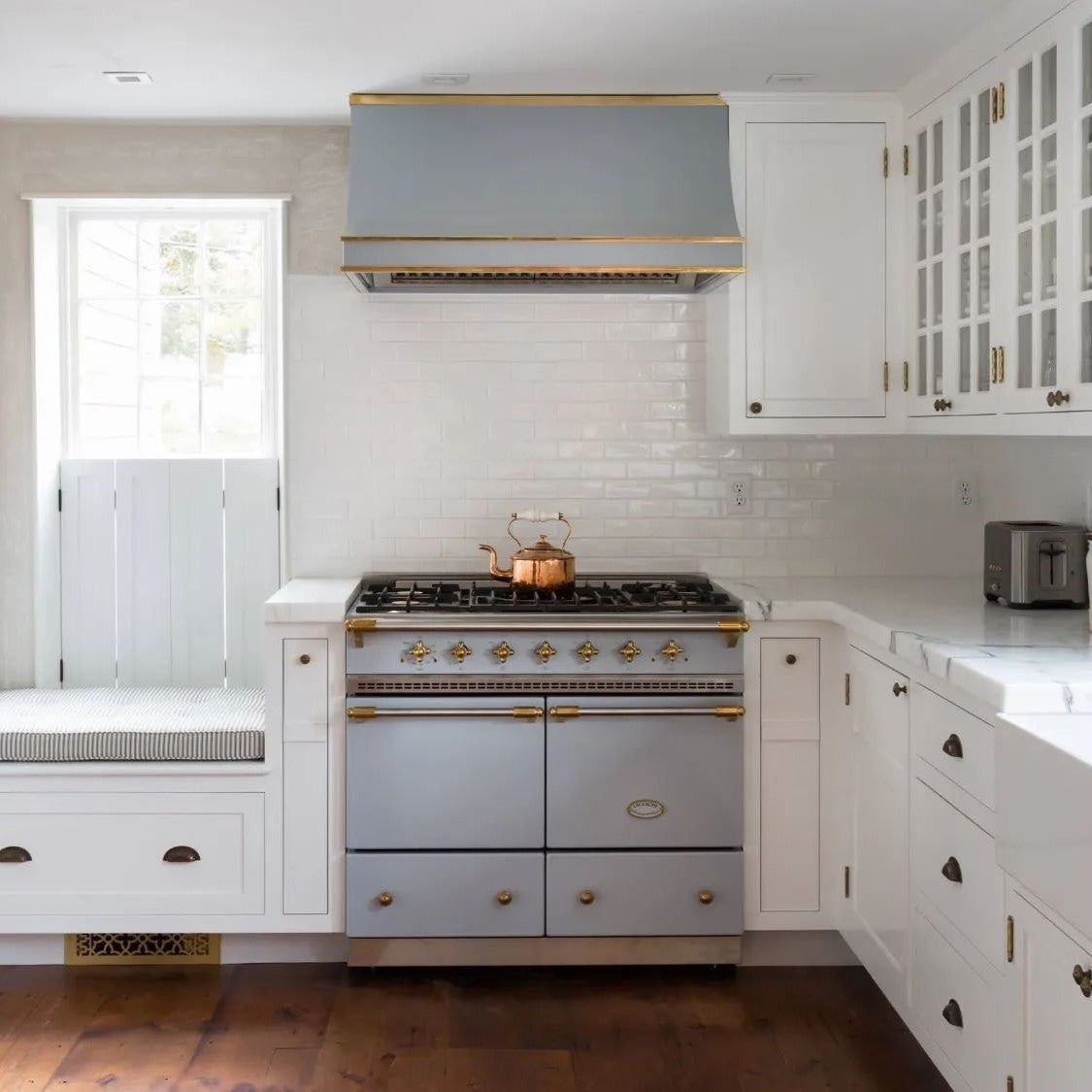
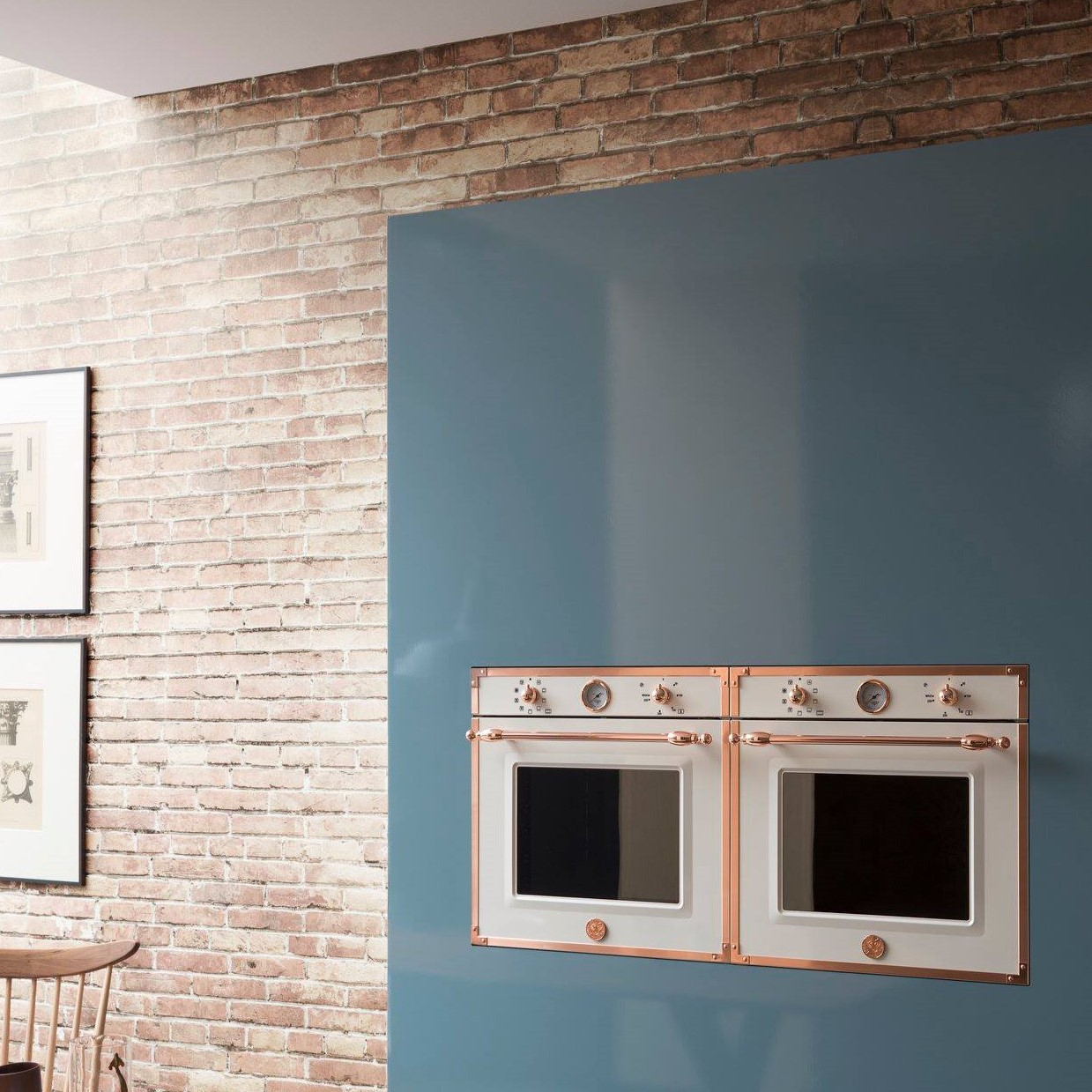
A high-end conventional range cooker, a Bertazzoni, a Lacanche or an ILVE, typically costs £1.50–3.00 per day to run when actively cooking, but virtually nothing when not in use. An eR3 in moderate usage costs roughly £2–4 per day including background warmth. The gap is smaller than most people expect, and the AGA delivers meaningful additional value in the form of kitchen warmth and always-ready cooking.
For broader context, see our guide to types of AGA cookers, our most energy efficient range cookers guide, and our overview of how an AGA cooker works.
Talk to the Team
Running costs are one piece of the AGA decision, but they are rarely the deciding factor on their own. The best next step is to see one in action. We have live demo models at our store in Perth, and our team knows the range inside out. Call us on 01738 231600, email cookers@quinceandcook.co.uk, or browse the full AGA range at Quince & Cook.
Explore AGA Cookers at Quince & Cook
We stock the full AGA range with live demo models in our Perth store. Free UK mainland delivery and expert advice from our team.