




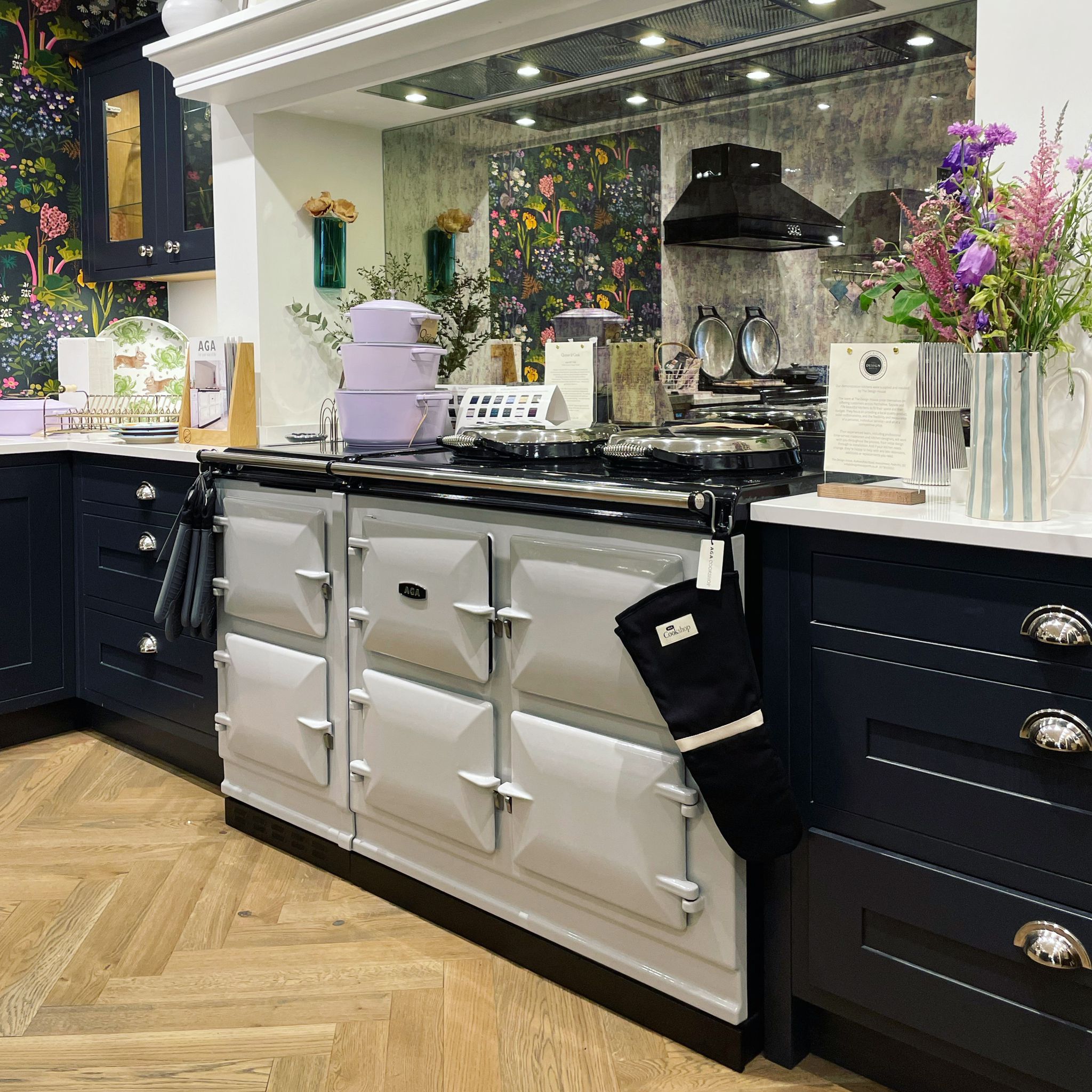
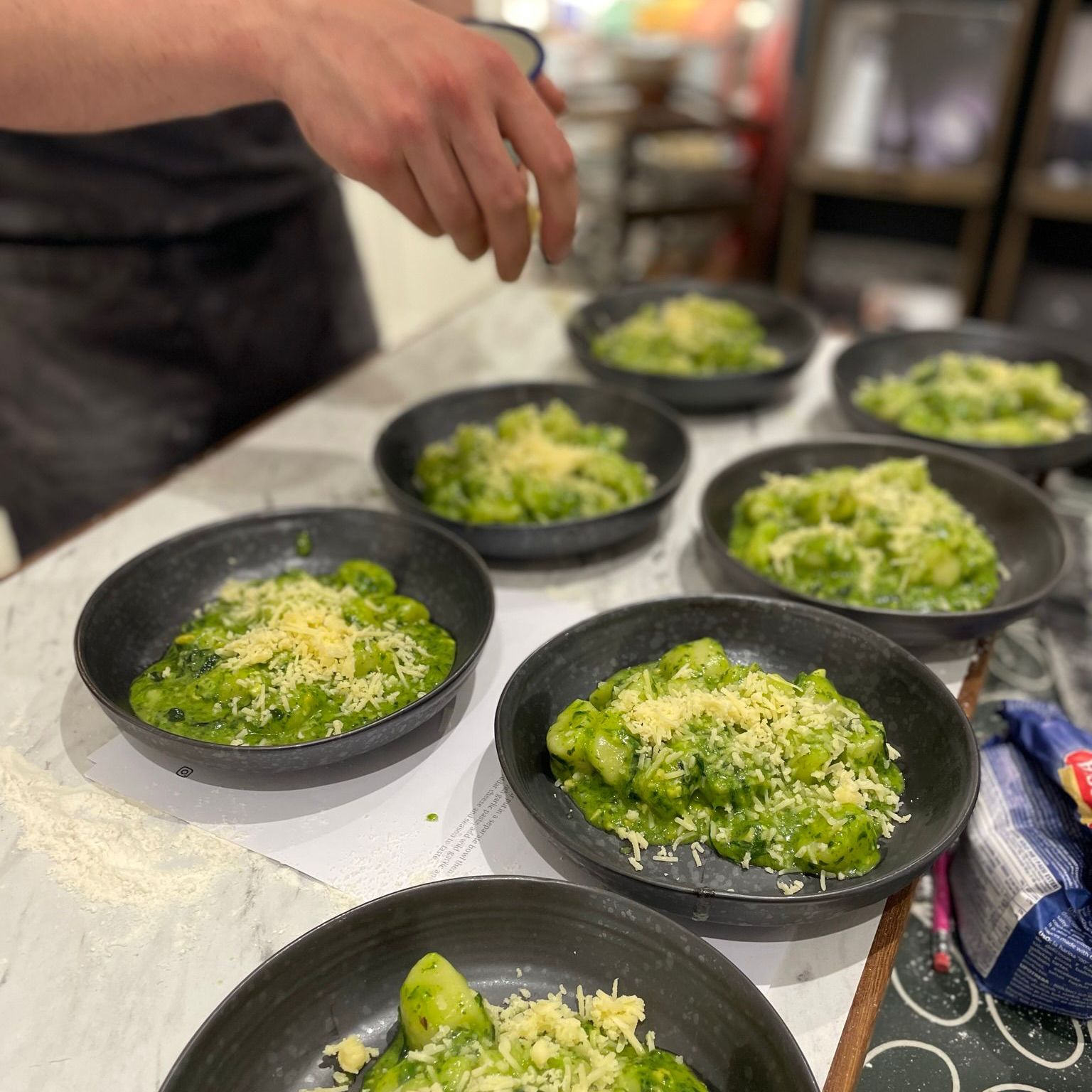



Cooking on a modern AGA feels different from a conventional oven because heat is delivered through cast iron ovens and controlled cooking zones rather than a single temperature setting. For many households, that steady and even heat is the main reason for choosing one. If you are new to AGA ownership or still exploring options, have a read of this blog to see if one is right for you.
Once you understand how the ovens and hotplates work together, everyday recipes become easier to manage. Modern AGA models offer a range of oven configurations and programmable controls, so understanding how those layouts affect cooking is key. A practical overview of AGA cooker types explains how today’s models differ and what that means in the kitchen.

Table of contents
- Start with the modern AGA mindset
- Understanding the zones on a modern AGA
- How to work an AGA
- How to work AGA ovens
- How to work AGA hotplates
- How to work an AGA day to day
- Cookware that makes AGA cooking easier
- A practical starter kit for modern AGA cooking
- Adapting regular recipes for a modern AGA
- Everyday recipes, translated for a modern AGA
- Cooking more than one dish at a time
- Common beginner fixes
Start with the modern AGA mindset
Most conventional recipes begin by preheating an oven to a specific temperature. With a modern AGA, ovens are designed to deliver consistent heat within a defined range, and many models allow individual ovens to be turned on and off as needed. Cooking becomes about choosing the right oven and shelf position rather than constantly adjusting settings. This approach is rooted in how radiant heat works inside cast iron, which is covered in more detail in how an AGA works.
Two habits help beginners quickly. Learn what each oven is designed to do, and use shelf height as your main way to fine tune results.
Understanding the zones on a modern AGA
Exact layouts vary between current AGA models, so your handbook should always guide you first. The descriptions below reflect how most modern AGAs are used in everyday cooking.
The ovens
The roasting oven is the hottest cooking space when switched on. It is used for roasting meat, crisping vegetables, finishing dishes, and giving pastries good lift. Shelf position has a direct effect on results, as heat is stronger at the top of the oven. This behaviour is explained further in our blog on AGA oven temperatures.
The baking oven provides steady, moderate heat suitable for cakes, biscuits, bread, traybakes, and most standard oven recipes.
The simmering oven delivers gentle heat for long cooking. It suits casseroles, stocks, rice puddings, dried beans, and slow cooked sauces.
The warming oven is designed to hold food at serving temperature and create flexibility when timings drift. It is also commonly used for plate warming, dough proving, and resting meat.
The hotplates
The boiling plate provides strong heat for boiling, searing, and fast pan cooking. The simmering plate supports controlled cooking such as sauces, eggs, and gentle simmering without catching.
How to work an AGA
People often search for “how to work an AGA” when they are moving from a standard oven to cast iron cooking. The biggest change is that AGA cooking is built around oven choice and cooking zones, not constant temperature changes. Once you know which oven does what, and how the hotplates behave, daily cooking becomes simple.
Start by identifying your model and layout. Modern ranges such as AGA eR3 cookers, AGA R3 cookers, and the larger families like AGA eR7 cookers, AGA eR7i cookers, and AGA R7 cookers separate heat across ovens and hotplates. This is why the dimensions and configurations matter, since the layout influences how you cook across the zones.
How to work AGA ovens
Most AGAs include a roasting oven, a baking oven, a simmering oven, and a warming oven. You get control by choosing the correct oven for the job, then using shelf height to fine tune the result. Higher shelves colour food faster. Lower shelves soften the heat and slow browning. If you are learning, cook one familiar dish at a time so you can see how your ovens behave.
How to work AGA hotplates
AGA hotplates are simple once you treat them as two different heat levels. The boiling plate is for fast cooking, boiling, searing, and bringing pans up to temperature. The simmering plate is for sauces, gentle simmering, eggs, and controlled cooking. If something is catching on the boiling plate, move it to the simmering plate or lift the pan on a trivet.
How to work an AGA day to day
Plan cooking in stages. Use the hotplates to build flavour, then finish in the right oven. Use the warming oven to hold food at serving temperature so timings stay relaxed. For baking, start checking earlier than your recipe suggests, since consistent heat can finish cakes sooner than a fan oven. For slow cooked dishes, covered cookware in the simmering oven gives steady results.
Cookware that makes AGA cooking easier
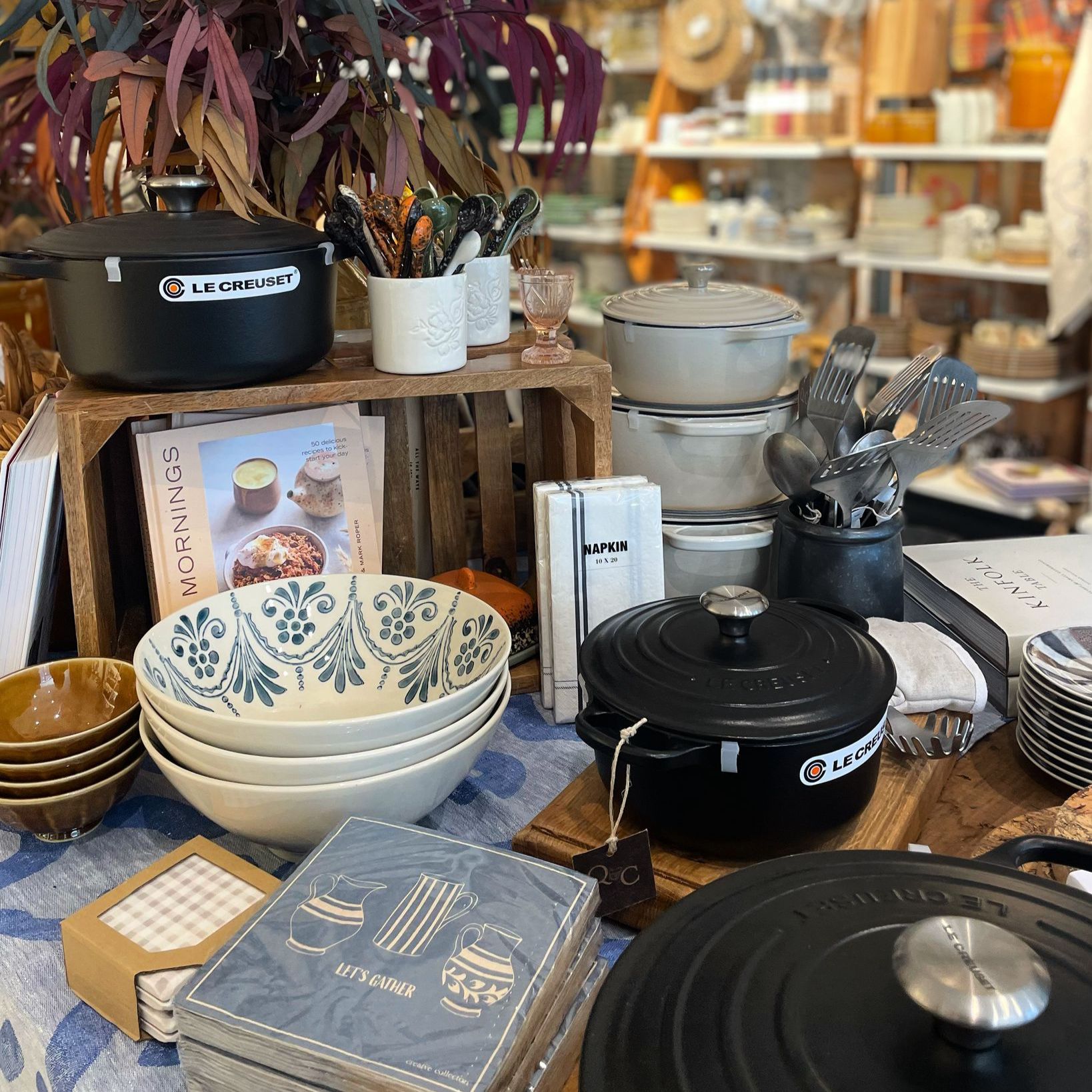
Cookware changes results. Light trays brown faster, while heavier tins and casseroles soften the heat. Lids, foil, and parchment help manage colour and moisture. If you are kitting out, browse AGA cookware and the essentials in AGA accessories.
A practical starter kit for modern AGA cooking
You do not need specialist cookware to cook well on a modern AGA, but a few familiar tools help make adapting recipes easier.
- An oven thermometer and a probe thermometer for meat and bread.
- A selection of roasting tins and a lidded casserole dish.
- Cake tins and loaf tins.
- Baking parchment and foil for managing colour and moisture.
Adapting regular recipes for a modern AGA
Translate temperature into oven choice
Instead of matching an exact temperature, choose the oven that best matches the recipe’s heat level, then use shelf height to adjust the result.
| Recipe heat | AGA oven | Adjustment |
|---|---|---|
| High | Roasting oven | Lower the shelf if browning too quickly |
| Moderate | Baking oven | Raise the shelf for more colour |
| Low | Simmering oven | Finish briefly in the baking oven if needed |
Expect steady heat to influence timing
Modern AGAs cook evenly because heat is constant while the oven is in use. Baking often finishes slightly earlier, while slow cooked dishes benefit from their full cooking time. Start checking cakes early and allow long cooks to develop properly.
Use cookware to control results
Lighter metal trays encourage browning. Heavier enamel and cast iron soften the heat. Lids and foil reduce moisture loss and help prevent over colouring.
Everyday recipes, translated for a modern AGA
Traybakes and roasted vegetables
Use the roasting oven and start on a middle shelf. Turn trays once for even colour. Cover briefly if vegetables brown before they soften.
Cakes and loaves
The baking oven suits most cakes. Place tins centrally and move them down a shelf if the top colours too quickly. Check earlier than the recipe suggests.
Slow cooked dishes
Build flavour on the hotplates, then move covered dishes to the simmering oven. Adjust moisture during cooking and uncover near the end if a thicker sauce is needed.
Cooking more than one dish at a time
Modern AGA cookers are designed to make multi dish cooking straightforward by separating tasks across ovens. Roasts and potatoes can share the roasting oven at different stages, while vegetables cook gently elsewhere. The warming oven provides flexibility when timings change.
This style of cooking reflects common AGA habits covered in the unofficial rules of AGA range cookers.
Common beginner fixes
If food browns too quickly, lower the shelf or cover loosely. If cakes sink, start lower so the centre sets before the top colours too fast. If roasts need more time inside, finish on a lower shelf and rest well before carving.