











What is a Duel Fuel Cooker? A complete Guide

What is a dual fuel cooker? It is a cooker that uses two different energy sources, most commonly a gas hob with one or more electric ovens. In a range cooker, this combination gives you the visible flame and quick response of gas on top, with the steady, evenly distributed heat of electricity in the ovens.
For many home cooks, that balance is the main attraction. You can turn a gas burner up or down in an instant when simmering, searing or stir-frying, while the electric oven provides the consistent temperature needed for baking and roasting. It is a practical all-round option for kitchens that already have access to both gas and electricity.
What does dual fuel mean on a cooker?
On most cookers sold in the UK, dual fuel means that the hob is powered by gas and the oven is powered by electricity. The two parts of the cooker work independently, so each can use the type of heat best suited to its job.
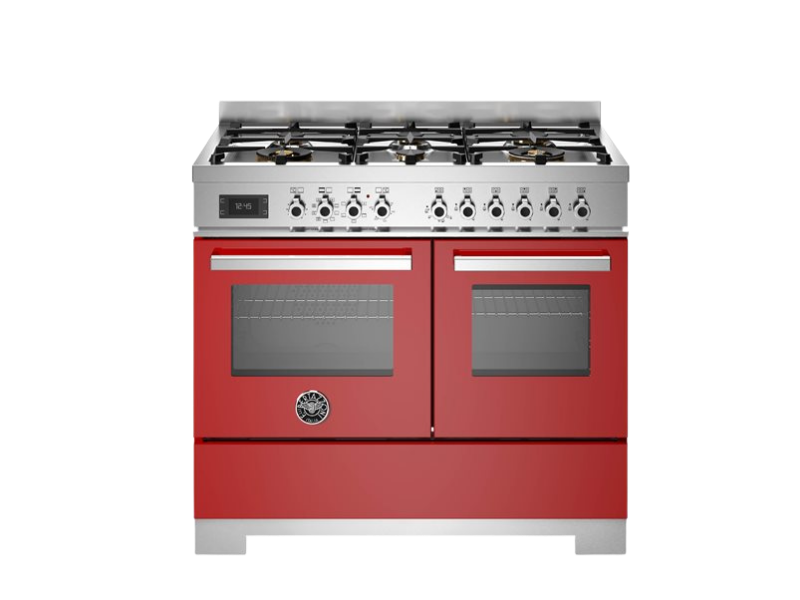
The term describes the fuel arrangement rather than the size of the appliance. A dual fuel model could be a compact 60cm cooker or a much larger cooker with several ovens, a separate grill and six or more gas burners. You can explore the different layouts in our dual fuel range cooker collection.
How does a dual fuel cooker work?
The gas hob
Gas flows to the burners on top of the cooker and is ignited to create an open flame. The heat changes as soon as you adjust the control, which makes it easy to move quickly between a vigorous boil and a gentle simmer. You can also see the size of the flame, giving you clear feedback while you cook.
Gas hobs work with almost every type of cookware. They are particularly useful for cast iron pans, traditional woks and cooking techniques that benefit from direct, responsive heat.
The electric oven
Electric heating elements warm the oven cavity. Many models also use a fan to circulate hot air, helping the oven maintain an even temperature across different shelf levels. This dry, consistent heat is well suited to cakes, bread, pastries and dishes that need accurate temperature control.
The exact oven functions depend on the model. A cooker may include fan cooking, conventional heat, grilling, pizza settings, rapid preheat or a separate slow-cooking oven. Always compare the individual specification rather than assuming every dual fuel cooker has the same features.
What are the benefits of a dual fuel cooker?
A dual fuel cooker is designed to combine the strongest qualities of gas and electric cooking in one appliance. Its main benefits include:
- Immediate and visible heat control on the hob
- Even oven temperatures for reliable baking and roasting
- Compatibility with a wide variety of pans
- A broad choice of cooker sizes, colours and oven layouts
- The flexibility to prepare several dishes using different cooking methods
This flexibility makes dual fuel particularly useful in a busy kitchen. You could simmer a sauce over a low gas flame, sear meat on another burner and bake at a steady temperature in the electric oven at the same time.
Are there any disadvantages?
The main consideration is installation. A dual fuel cooker needs a suitable gas supply and an electrical supply that meets the requirements of the exact model. If your kitchen only has electricity, adding a new gas connection may make an induction or all-electric cooker the simpler choice.
A gas hob also takes more effort to clean than a flat induction surface because pan supports, burner caps and the areas around the burners need regular attention. There is an open flame too, so correct installation, ventilation and everyday care are important.
Finally, a dual fuel model is not automatically better for every household. If your priority is the fastest boiling, easy cleaning and no open flame, induction may suit you more closely. Our guide to induction, gas and dual fuel range cookers compares all three options in more detail.
Dual fuel vs gas and electric cookers
Dual fuel vs an all-gas cooker
An all-gas cooker uses gas for both the hob and the ovens. Gas ovens usually create a slightly moister cooking environment and can have different temperature zones within the cavity. A dual fuel cooker keeps the gas hob but replaces the gas oven with an electric one, which generally offers more consistent heat for baking.
Dual fuel vs an all-electric cooker
An all-electric cooker uses electricity for the ovens and the hob. The hob may use traditional electric plates, ceramic glass or induction technology. Dual fuel retains electric ovens but uses gas burners on top, making it a natural choice for anyone who prefers cooking over a visible flame and does not want to replace existing pans.
What is needed to install a dual fuel cooker?
A dual fuel cooker typically needs both a suitable gas connection and an electrical supply close to the planned position of the appliance. The exact requirements depend on the model, so the manufacturer’s installation instructions should always be checked before the kitchen is fitted or any services are moved.
You will usually need:
- A mains natural gas supply, or an approved LPG supply if the cooker is compatible and correctly converted
- A correctly rated electrical circuit for the ovens, ignition and controls
- An accessible gas isolation valve and electrical isolation point in the positions specified by the manufacturer
- Enough space for the cooker’s exact dimensions, required side clearances and rear connections
- Suitable ventilation or extraction above the gas hob
- A flat, level and suitably strong floor beneath the appliance
- A clear delivery route wide enough for the packaged cooker to reach the kitchen
The gas connection must be completed by a Gas Safe registered engineer. If a new circuit, cooker switch or other electrical work is required, this should be completed by a suitably qualified electrician. It is sensible to choose the exact cooker before finalising the kitchen layout, as connection positions and power requirements can vary considerably between models.
Does a dual fuel cooker need a gas supply?
Yes, the gas hob needs a natural gas or suitable LPG supply. The cooker also needs electricity for the ovens, ignition and controls. The electrical requirement varies between models. Some appliances have a comparatively modest demand, while larger multi-oven cookers may need a dedicated circuit.
Our range cooker installation guide explains the measurements, clearances, services and delivery access worth checking before you order.
What sizes do dual fuel cookers come in?
Dual fuel cookers are available in a wide range of widths. A 60cm model can fit into the space used by a standard freestanding cooker, while wider models provide additional burners, larger cavities or separate ovens and grills.
90cm range cookers are a popular option when you want more flexibility without using too much floor space. A 100cm range cooker can provide a particularly useful balance for a busy family kitchen, while 110cm and 120cm models create room for more generous oven and hob layouts.
Nominal sizes are useful for comparison, but the actual appliance dimensions and required clearances can differ. Measure the available opening carefully and use the technical drawing for the specific cooker as the final guide.
Which brands make dual fuel cookers?
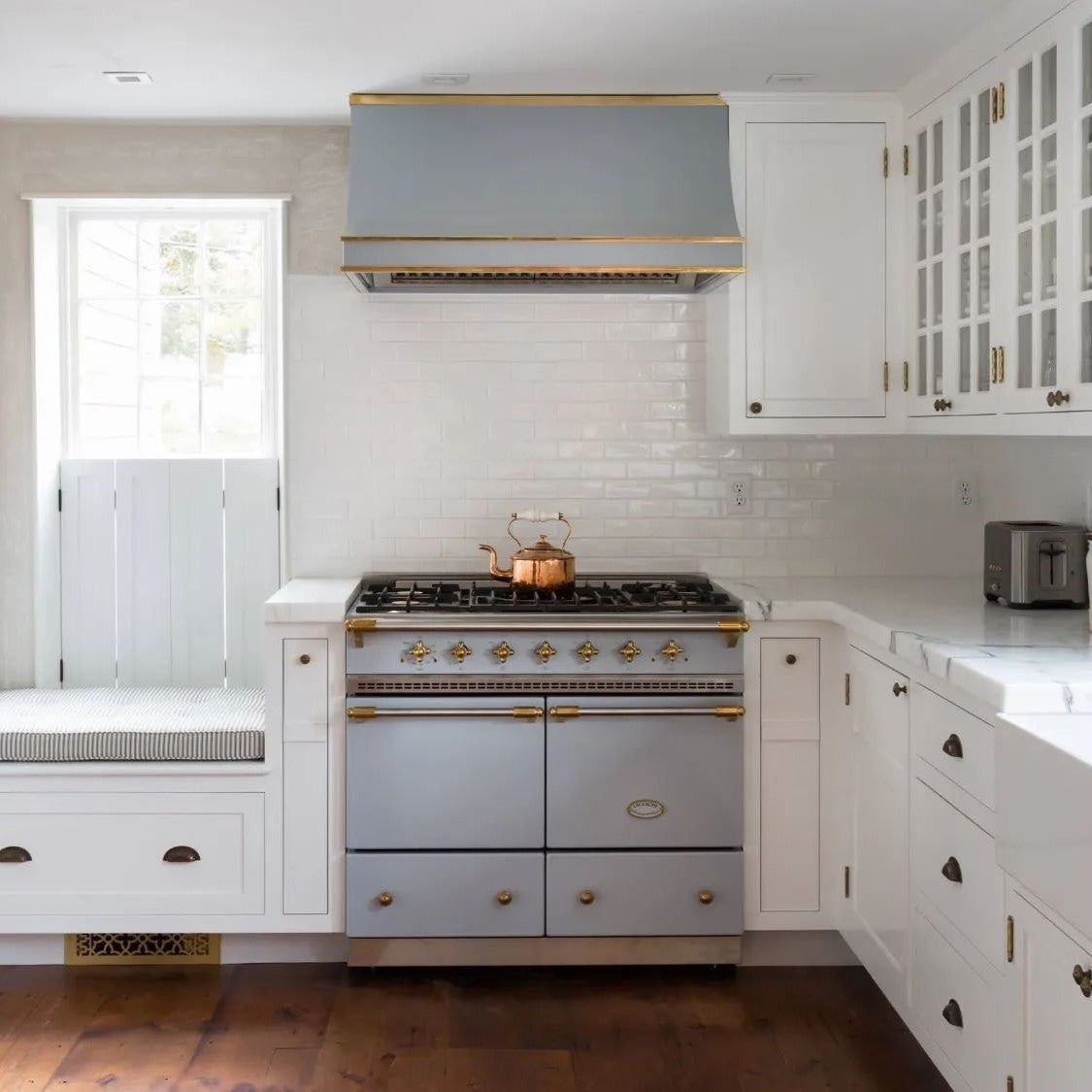
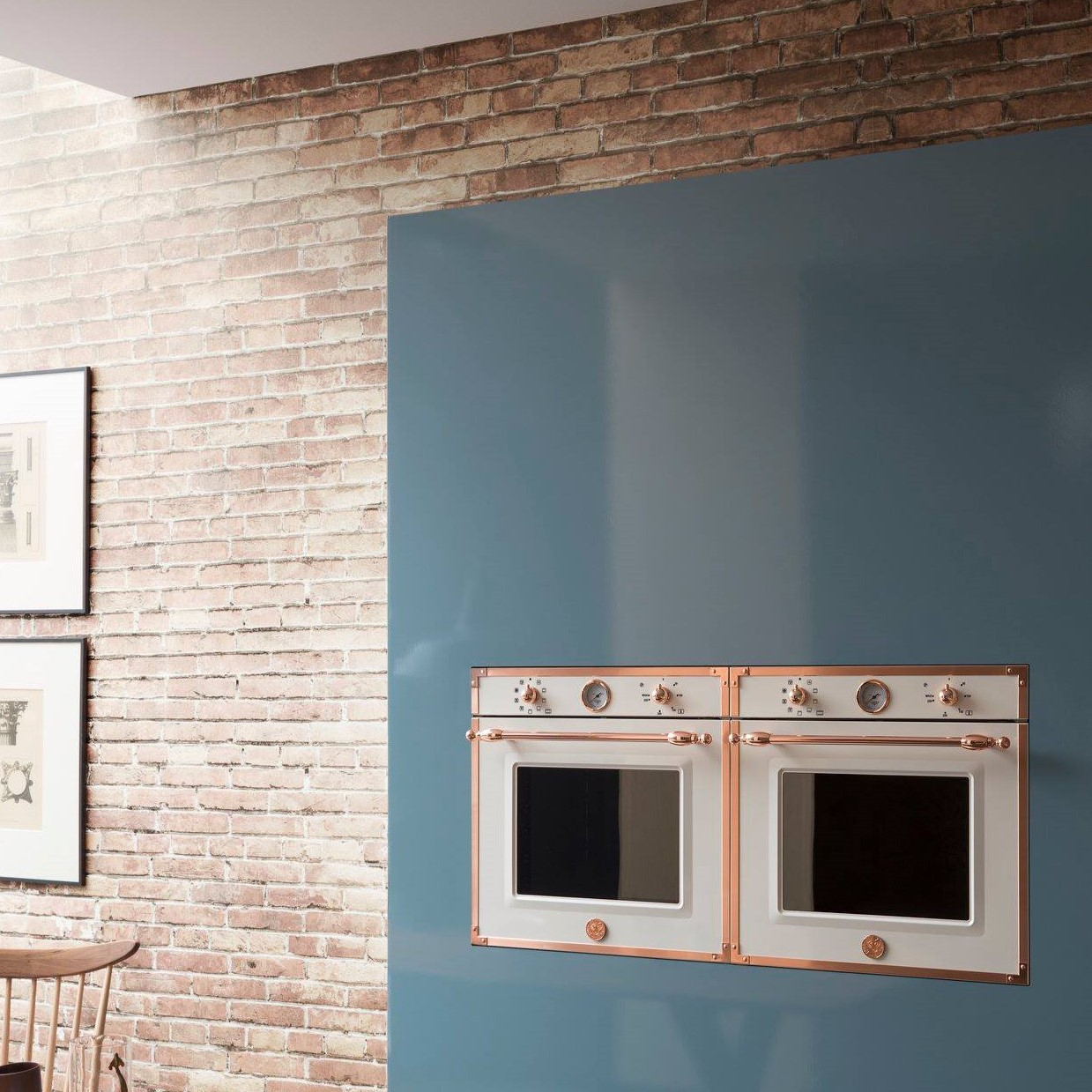
Several of the specialist cooker brands at Quince & Cook offer dual fuel models. Bertazzoni range cookers combine Italian design with a choice of sizes, colours and oven layouts. Lacanche cookers can be configured with gas burners and electric ovens, with extensive choices across the hob and oven arrangement.
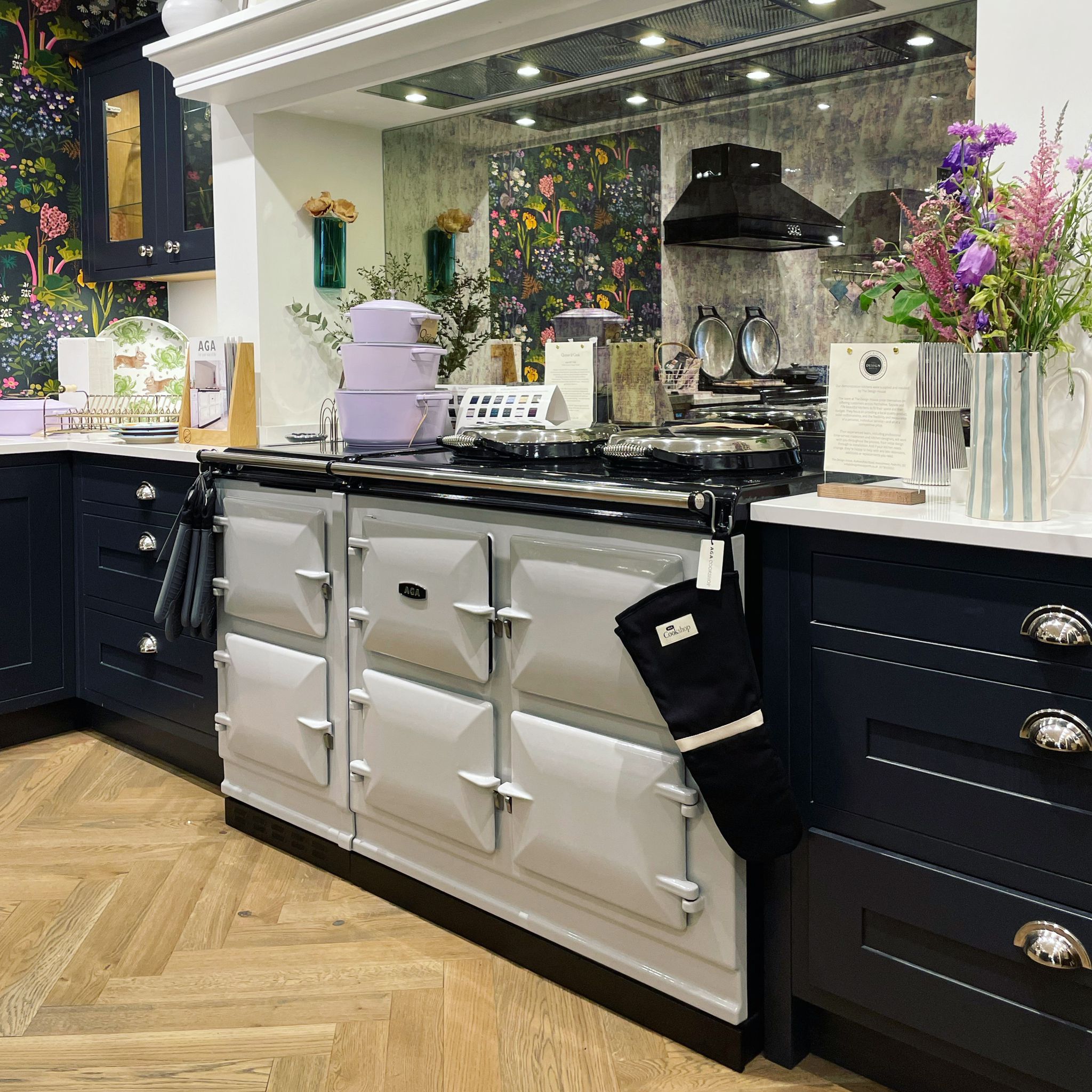
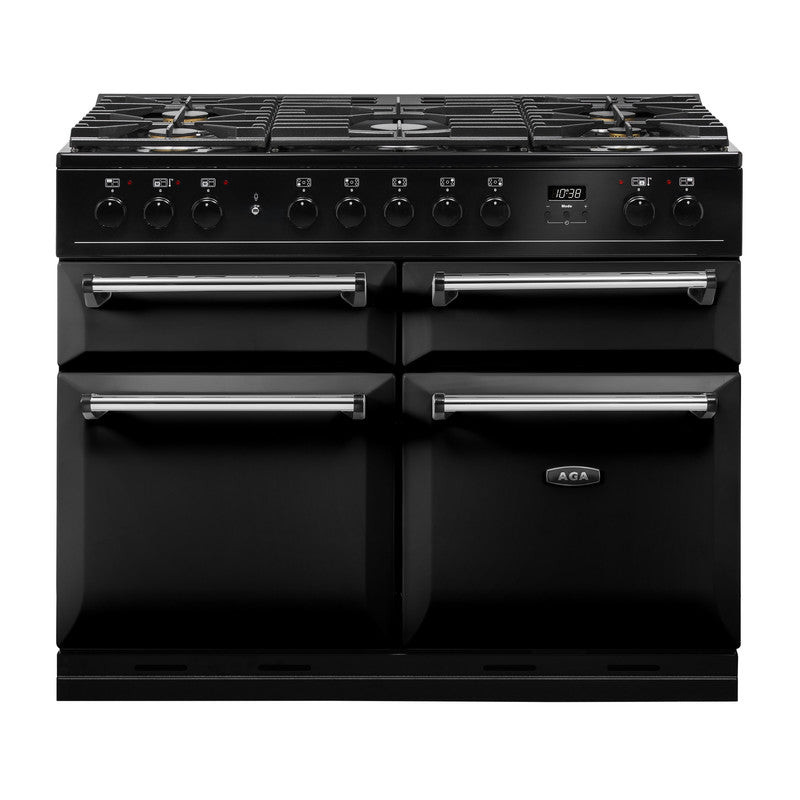
The AGA Masterchef collection also includes conventional dual fuel models for those who want AGA styling with responsive gas burners and modern electric ovens. The best choice comes down to the space available, the oven capacity you need and the way you prefer to cook.
Is a dual fuel cooker right for you?
A dual fuel cooker is likely to suit you if you enjoy the direct control of gas on the hob but want reliable electric heat in the oven. It is especially useful for households that cook in several different ways, rather than prioritising only stovetop cooking or only baking.
Before choosing one, ask yourself:
- Does the kitchen already have a suitable gas supply?
- Can the electrical supply support the chosen cooker?
- How many ovens and hob burners will you regularly use?
- Would you prefer the easy-clean surface and speed of induction?
- What width fits the kitchen once the required clearances are included?
If the answers point towards gas on top and electric ovens below, dual fuel is a versatile and dependable choice.
Frequently asked questions
Can you use a dual fuel cooker without gas?
The electric ovens can operate independently, but the gas burners cannot work without a gas supply. If your home has no gas and you do not plan to add it, an induction or all-electric cooker will be more suitable.
Is a dual fuel cooker the same as a double oven?
No. Dual fuel refers to the use of both gas and electricity. Double oven refers to a cooker with two separate oven cavities. A cooker can be dual fuel with one oven, two ovens or several cooking compartments.
Are dual fuel cookers expensive to run?
Running costs depend on the size of the ovens, their insulation, the functions used, your energy tariff and how often you cook. Choosing the smallest suitable oven for each dish, avoiding unnecessary preheating and matching the gas flame to the base of the pan can all help reduce wasted energy.
Do dual fuel cookers need special wiring?
Many do need a dedicated electrical connection, but the required circuit depends on the appliance. Never assume that an existing cooker connection is suitable. Check the rated load in the manufacturer’s installation instructions and ask a qualified electrician to confirm it.
What is the main difference between a dual fuel cooker and a range cooker?
Dual fuel describes how a cooker is powered. Range describes the broader style of cooker, usually a freestanding appliance that offers more cooking space and flexibility than a standard model. A range can be dual fuel, all gas, induction or all electric.
Explore dual fuel cookers at Quince & Cook
A well-chosen dual fuel cooker can bring responsive hob cooking and accurate oven heat together in one hardworking centrepiece. Browse our complete dual fuel collection to compare sizes, layouts and finishes.
If you would like help narrowing down the options, send us a cooker enquiry, call the Quince & Cook team on 01738 231600 or book one of our cooker demonstrations in Perth.